
Responsible online casino play follows the same principle that keeps you safe in the workshop: know your limits, respect your tools, and never gamble what you can’t afford to lose. Just as you wouldn’t operate a table saw without proper focus and preparation, choosing to bet with crypto or play any online casino game requires discipline, clear boundaries, and honest self-assessment. The parallel runs deeper than you might think. Both woodworking and gaming demand patience, measured risk-taking, and the ability to walk away when conditions aren’t right.
In our woodworking community, we’ve built a culture around learning from mistakes, celebrating small victories, and supporting each other through challenging projects. That same mindset applies when recreational gaming enters the picture. The craftsman who measures twice and cuts once understands something essential about managing risk. You plan your cuts, budget your materials, and know when a piece of wood is beyond saving. Online casinos, when approached recreationally and within strict personal limits, can offer entertainment. But without the guardrails we naturally apply in the shop, they become dangerous.
This article draws on the discipline you already practice at your workbench to help you set boundaries around online gaming, recognize warning signs, and maintain the balance that keeps hobbies enjoyable rather than destructive.
The Craftsman’s Approach: Patience Over Impulse
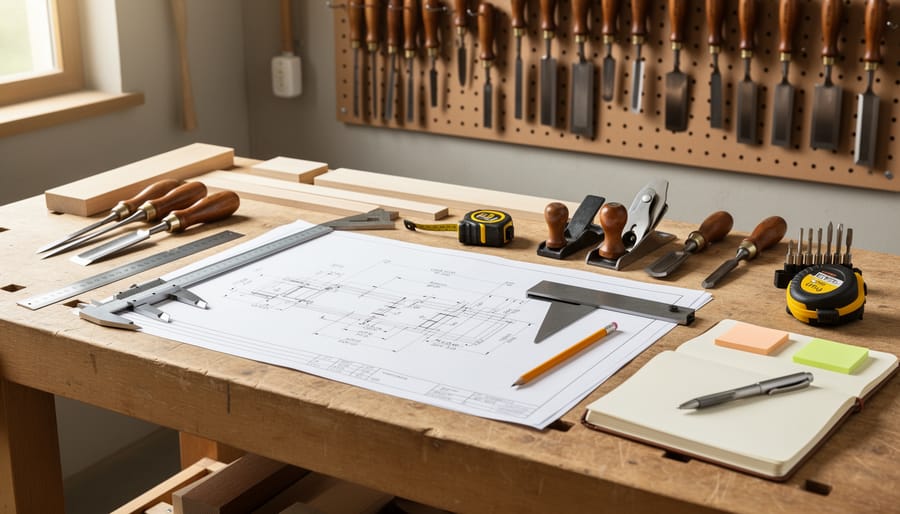
Every woodworker knows the sinking feeling of a rushed cut. You’ve measured the board, marked your line, but impatience whispers that you don’t need to double-check. The saw bites into the wood a hair too far, and suddenly you’re short on material or facing an hours-long fix. That same impulse, the urge to act now rather than pause, shows up in online gaming, and the results can be just as costly.
The workshop teaches patience through consequence. When you’re selecting cabinet maker hand tools for dovetails or setting up a difficult glue-up, rushing guarantees problems. You learn to slow down, to think through each step before committing. This measured approach isn’t about being timid; it’s about respecting the process and understanding that good results come from thoughtful decisions, not quick reactions.
Online gaming demands the same discipline. The platforms move quickly, offering constant opportunities to play another round or increase a stake. That speed can trick you into making decisions faster than you would in the workshop. But the craftsman’s instinct, that voice that says “wait, think this through”, applies here too. Before you click, ask yourself the same questions you’d ask before making a cut: Am I clear-headed? Have I considered the outcome? Can I afford this mistake?
Stepping back doesn’t mean you lack confidence. In woodworking, experienced makers pause constantly, viewing their work from different angles and reconsidering their approach. They know that a few minutes of reflection prevents hours of regret. The same wisdom applies to entertainment choices. When you feel that impulse pushing you forward, that’s exactly when you need to channel your inner craftsman and take a breath.
Setting Limits Like Setting Your Workshop Budget

Every woodworker knows that sinking your entire month’s discretionary income into a single premium hand plane, no matter how beautiful, isn’t sensible budgeting. You plan your workshop purchases, allocate funds for different projects, and understand that some money goes toward materials while other amounts get saved for that dream jointer. The same disciplined approach applies to any form of entertainment spending, including online casino play.
Before you ever place a bet, decide exactly how much you can afford to lose. Notice I said “lose,” not “spend and hopefully win back.” This is entertainment money, sitting in the same mental category as cinema tickets, dining out, or buying that woodworking magazine subscription. It’s not rent money, not your timber fund, and definitely not income you’re counting on to upgrade your table saw. Write this amount down. Better yet, transfer it to a separate account designated solely for entertainment.
Set this limit when you’re clear-headed and away from the casino site itself, just like you’d plan your workshop budget on Sunday afternoon, not while standing in the timber yard surrounded by gorgeous walnut slabs. Many experienced woodworkers use the “monthly discretionary fund” approach: after all bills, savings, and workshop essentials are covered, a small portion of what remains becomes the absolute maximum for non-essential entertainment. If that amount is zero this month, so be it.
Time limits matter as much as financial ones. Decide beforehand how long you’ll play, perhaps an hour on Friday evening, and stick to it regardless of whether you’re up or down. Use your phone’s timer. When woodworking, you naturally keep things in proportion between different aspects of a project; apply that same balanced thinking here.
Never chase losses by increasing your limit mid-session. That’s like cutting into your tool budget because a project went wrong, it compounds the problem rather than solving it. Accept that the money you’ve designated is spent the moment you begin, the same way you accept that sandpaper and finish get used up. If you walk away with some left over or even ahead, consider it a pleasant bonus, not the expected outcome.
Recognizing When to Walk Away From the Bench
Every woodworker has been there: you’re tired, the joint isn’t fitting right, and suddenly you’re forcing the chisel instead of letting it do the work. Maybe you’ve already made one mistake, and now you’re rushing to fix it before calling it a day. That’s precisely when you need to put down the tools and step away.
The same instinct that tells you to leave the workshop before you ruin a piece or hurt yourself applies to online gaming. When you’re chasing losses, feeling irritated that things aren’t going your way, or thinking “just one more round and I’ll quit,” those are warning signs as clear as the smell of burning wood when your router bit’s dull.
Consider how you feel in the workshop when everything’s going wrong. Your shoulders tense up, decisions become rushed, and you stop enjoying what you’re doing. Online gaming should feel different from this. If you notice you’re playing longer than planned, feeling anxious about wins or losses, or thinking about gaming when you should be focused on other things, it’s time for a break. Just like you’d never run a table saw when you’re distracted or upset, you shouldn’t make decisions about entertainment spending when you’re emotionally compromised.
The best woodworkers know their own patterns. They recognize when fatigue is setting in or when frustration is building. They don’t see walking away as giving up; they see it as protecting their work and themselves. Apply that same self-awareness to any form of entertainment. Set a specific time limit before you start, treat that boundary as seriously as you’d treat your workshop closing time, and when it arrives, close the laptop just as decisively as you’d switch off the dust collector.
Your workshop will still be there tomorrow, and so will everything else. The difference between a hobby and a problem often comes down to knowing when enough is enough.
The Community Safety Net: Talking About Balance

Just as you’d ask a fellow woodworker for advice when tackling your first dovetails or debugging a tricky finishing problem, there’s no shame in talking about how you balance entertainment in your life. The woodworking community has always been built on sharing knowledge and looking out for one another, whether that’s recommending the right blade for a particular cut or checking in when someone seems overwhelmed by a project. That same supportive spirit applies to every aspect of maintaining a healthy workshop life.
In online forums and local clubs, we freely discuss how we manage time between the workshop and family commitments, or how we justify tool purchases against household budgets. Entertainment spending, including online gaming, deserves the same honest conversation. When someone mentions they’ve been staying up too late at the bench or spending beyond their means on exotic hardwoods, the community gently steers them back to balance. The same approach works for any hobby or entertainment that might be taking too much time or money.
Think of your woodworking friends as accountability partners for all aspects of a balanced life. Mentioning that you’ve set limits on your entertainment budget, or that you’re taking a break from online activities to focus on a big project, normalizes healthy boundaries. Just as experienced turners pass down wisdom about avoiding catches at the lathe, we can share what works for maintaining perspective across all our interests. The strongest workshops are built on trust and honest communication, where asking for help or admitting you’ve overdone something isn’t weakness, it’s the mark of someone committed to growing and improving. Keep those conversations open and judgment-free, and the community becomes stronger for everyone involved.
Tools for Staying in Control
Just as you wouldn’t run a table saw without a blade guard or work with sharp chisels without keeping your first aid kit nearby, online entertainment needs its own safety equipment. The good news? Modern platforms offer several built-in tools designed to help you stay in control.
Time limits work like setting a timer for glue-up, they create natural stopping points. Most reputable sites let you set session reminders that alert you after a specific duration, similar to how you might set breaks when working through simple furniture plans. These reality checks interrupt the flow and prompt a moment of reflection: Am I still enjoying this? Is it time to return to the workshop?
Deposit limits function as your entertainment budget envelope. You decide the maximum amount you’re willing to spend, daily, weekly, or monthly, and the system enforces it automatically. Think of it as pre-cutting all your stock before assembly: once you’ve used what you allocated, you’re done until the next period.
Self-exclusion options provide the strongest protection when you recognize you need a complete break. These tools lock your account for periods ranging from days to years, or even permanently. It’s the equivalent of unplugging a tool that’s become dangerous, sometimes the wisest choice is removing access entirely.
Reality check features display time and money spent at regular intervals, keeping you grounded in facts rather than feelings. Track your activity the same way you might log hours spent in the shop or materials costs on a project. Honest accounting prevents surprises and helps you make informed decisions about whether this form of entertainment still makes sense for your life.
The principles that guide your hand in the workshop, careful measurement, thoughtful planning, respect for your materials and your own limits, don’t stop at the workshop door. They’re the same values that keep every part of your life balanced and fulfilling. Whether you’re choosing how to spend a weekend afternoon or setting boundaries around entertainment, the craftsman’s mindset serves you well.
Your woodworking projects are worth the time precisely because they require your full attention, patience, and care. They give you something tangible to show for your effort, a growing set of skills, and a community of fellow makers who understand the journey. Keep these creative pursuits at the center of your leisure time. They’re where your passion and energy are best invested.
If you ever find entertainment crossing into something that feels less controlled or more urgent, remember that asking for help is no different than seeking advice on a tricky joint or finish. Your workshop community is here for all of it. Stay balanced, keep building, and trust the steady hand you’ve developed.